 Success story
06/10/2026
Helping young people in the criminal justice system re-engage through skills-based learning
The Diversion team within the Cambridgeshire Youth Justice Service uses ASDAN Short Courses to help young people in the criminal justice system re-engage with learning. Through practical activities and reflection, they build confidence and recognise the skills they already have.
Their team takes a flexible, child-centred approach to supporting young people aged 10 to 17. The team works mostly on a one-to-one basis, alongside group activities, trips and residential experiences.
The focus is on helping young people move away from offending behaviour. The team supports them to develop a pro-social identity and explore the impact of their actions.
At the heart of the service’s approach is its AIR model: Activities that allow children to explore a more positive identity; Interactions that foster and affirm that identity; and Roles that reinforce it.
ASDAN fits naturally within this approach. Young people are encouraged to take the lead in self-chosen activities. Once they have completed several activities, the team introduces a Short Course. This helps the learner recognise that they have already achieved something worthwhile. It can make learning feel more accessible, particularly for young people reluctant to engage with formal education.
“We are showing young people they are capable and can complete tasks,” explains Dibs Fletcher, Diversion Hotspot Worker. “For many of them, education and learning aren’t a positive experience, so this can help them see the benefits and joy of learning in a more flexible and inclusive way.”
What are ASDAN Short Courses?
ASDAN Short Courses are flexible, portfolio-based certificated courses with no exams. They accredit between 10 and 60 hours of activity and skills development across a wide range of topics. Like all ASDAN courses, they follow a plan, do, review cycle, where learners plan activities, carry them out and reflect on their progress.
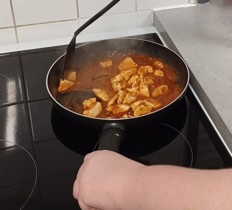 Short Courses can be delivered in schools, alternative provision, youth justice and community settings. This makes them well suited for learners in contact with the criminal justice system. Learners build evidence through challenges that matter to them, while practitioners can help them identify the transferable skills involved.
Cooking, for example, can develop teamwork, following instructions, measuring, budgeting and problem-solving.
Building confidence through positive experiences
Flexibility is particularly important for the young people the service supports. Many have experienced exclusion, part-time education, or alternative provision
Some are at risk of becoming not in employment, education or training (NEET). Some have special educational needs, including speech and language difficulties.
For one young person, the impact of this versatile approach was particularly significant. After being excluded from school, they spent a significant period out of education while waiting for a suitable alternative placement. Completing an ASDAN Short Course gave them the opportunity to choose activities that interested them and develop new skills.
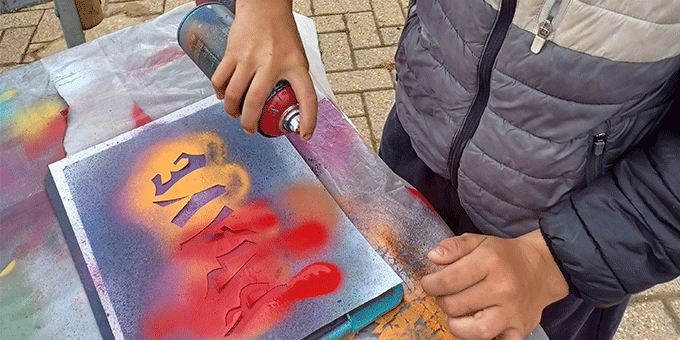
Through creative work, such as spray-painting emotion words, they explored feelings while developing confidence, following instructions and working safely. They learnt to ride a motorbike, building patience and listening skills. A residential experience gave them further opportunities to work with others, manage conflict and develop independence through activities including climbing.
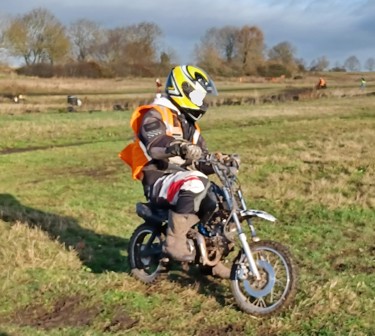
Reflecting on their experiences helped them recognise skills including patience, tolerance and understanding others, while positive experiences of achievement helped rebuild their confidence in learning.
Crucially, it also gave them something they had not experienced for some time: being told they were doing well and being trusted to take part.
The progress extended beyond the activities themselves. The young person discussed their ASDAN experience with their Education, Health and Care Plan (EHCP) caseworker. This helped identify their strengths and the support they would need in their next education setting.
They have since successfully returned to school.
Seeing learning differently
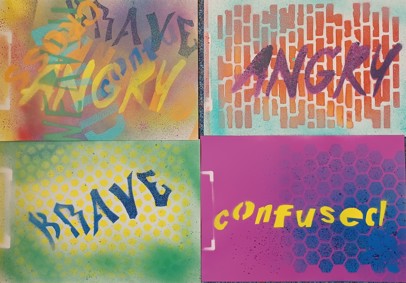 The young person’s own reflections demonstrate how practical, positive learning experiences can change perceptions of education. They developed practical and personal skills, tried new experiences and visited new places. Most importantly, they felt ASDAN had helped them see the world differently and feel ready to return to education.
For other young people considering ASDAN, their message is simple: “They would love it.” They also highlighted how seeing other young people managing anxiety or similar challenges could help learners realise that they are not alone.
For the Diversion team, ASDAN provides a structured way to recognise achievement and make learning accessible. It also helps young people understand how the skills they develop through positive activities can transfer into other areas of their lives.
“The Short Courses really work for us” says Dibs. “they empower our young people, allowing them to demonstrate their skills and how they can be transferred into other parts of their life”.
Find out more about ASDAN Short Courses
ASDAN Short Courses provide a flexible way for organisations to recognise learner achievements through practical activities and reflection. They can be used across a range of settings to support engagement, skills development and progression.
Short Courses are now available through Equitas, ASDAN’s digital learning platform. It brings learning activities, learner evidence and progress tracking together in one secure space, so you can deliver in a way that works for your setting.
Book a curriculum consultation to find out more about Short Courses and how they could support the young people you work with.