 Blog
Blog
29/01/2026
Rethinking communication in inclusive education: ASDAN’s updated Preparing for Adulthood programmes
Communication is often measured by what learners can write or say in formal settings. While this can be useful, it does not always reflect the full range of ways learners understand, express themselves and engage with the world. For many learners, particularly those with special educational needs and disabilities (SEND), this narrow definition can limit how their progress and potential are recognised.
At the heart of ASDAN’s approach are our six core skills: learning, communicating, decision making, thinking, team working and self-awareness. Together, they provide a shared framework for identifying, developing and recognising learning that might otherwise go unseen.
We view communicating as a core skill that develops through experience, reflection and meaningful interaction. It’s not simply about producing the “right” answer in assessed classroom tasks, but about sharing ideas, making choices, building relationships and participating in everyday life.
By recognising communication in all its forms, we create more inclusive pathways for learners to succeed. Communication becomes something that is lived and practised, not just assessed.
ASDAN’s Preparing for Adulthood suite: inclusive, flexible and learner-centred
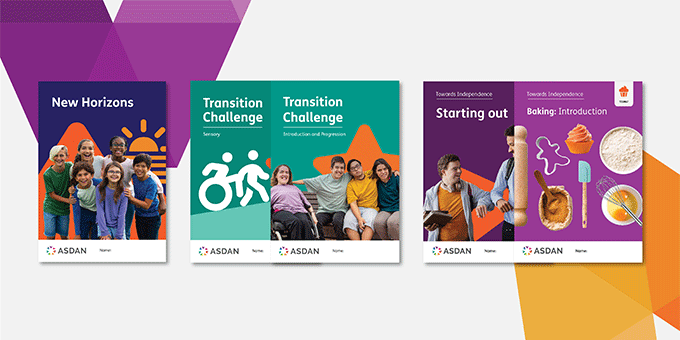
ASDAN’s Preparing for Adulthood programmes are designed for learners with moderate, severe, complex, profound and multiple learning difficulties. Written with and for practitioners, our refreshed suite of programmes has been strengthened to ensure each programme remains relevant, accessible and responsive to the needs of learners and educators.
Recent updates have increased flexibility, improved accessibility, expanded learner-led opportunities, and are shaped by practitioner feedback and current SEND guidance.
These certificated programmes reward individual steps of achievement and support the development of personal, social and work-related skills. They recognise progress in all its forms and value the diverse ways learners demonstrate understanding and growth.
Our Preparing for Adulthood programmes include:
Within these programmes, communicating is understood as a broad, inclusive skill that underpins learning, independence and participation. It includes written, verbal, digital and cultural literacies, reflecting the reality that learners communicate in different ways, at different times and in different contexts.
Developing communication through real-world learning
Preparing learners for adulthood means preparing them for a world where communication happens everywhere: online, in workplaces, in communities and across cultures. We reflect this reality by framing communication as a transferable life skill, not just an academic outcome.
Across our Preparing for Adulthood programmes, learners develop communication through purposeful, practical activities. This might include:
- sharing ideas and opinions
- explaining choices and decisions
- reflecting on experiences
- collaborating with others
- adapting communication for different audiences and settings
By embedding communication into real-life activities and portfolio-based assessment in areas such as independent living, employability, community participation and personal development, learners can see its relevance beyond the classroom. Communication becomes a transferable life skill that supports independence and confidence.
Making every voice heard through portfolio-based evidence
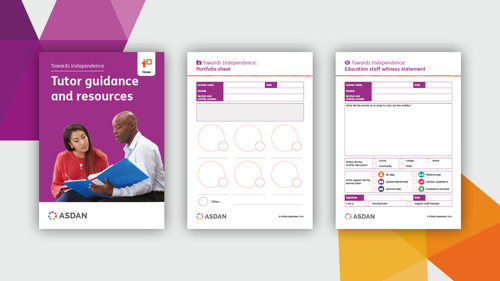
ASDAN supports learners to demonstrate communication in ways that suit their strengths, whether through written reflection, recorded explanations, photographs or short videos.
This flexible approach removes unnecessary barriers and ensures communication is about meaning, not method. It also builds digital confidence, helping learners to use technology purposefully, responsibly and creatively, which is essential for further learning, employment and independent living.
Our portfolio-based approach allows learners to capture communication in authentic and meaningful ways. Rather than relying on one-off written tasks or tests, multimedia evidence shows how ideas are developed, shared and refined over time.
Evidence might include:
- written notes, captions or reflections
- photographs with learner commentary
- audio recordings explaining ideas or progress
- short videos demonstrating communication in action
This approach values process as well as outcome. Learners are encouraged to reflect on how they communicated, what went well and what they would do differently, building a clear narrative of progress and growing confidence. It also supports equitable participation, ensuring no learner is excluded from demonstrating understanding.
Confidence, agency and inclusive education
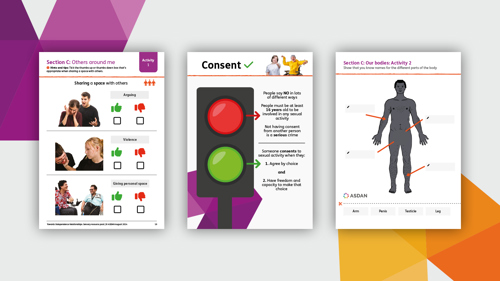
Inclusive education is not about lowering expectations but widening access to success. By broadening what communication looks like, our Preparing for Adulthood programmes help learners build self-belief, agency and confidence in their abilities. When learners can communicate in ways that feel authentic and achievable, they are more likely to engage with learning, share their ideas, advocate for themselves and recognise their own strengths.
Communication underpins independence, employability and wellbeing. Through the communicating core skill, we support learners to develop the literacies and confidence they need for further learning, employment and independent living. By valuing communication beyond words, embracing multimedia evidence and placing inclusion at the centre of assessment, we ensure every learner has the opportunity to be heard and prepared for what comes next.
Learn more about ASDAN’s Preparing for Adulthood suite of programmes.